
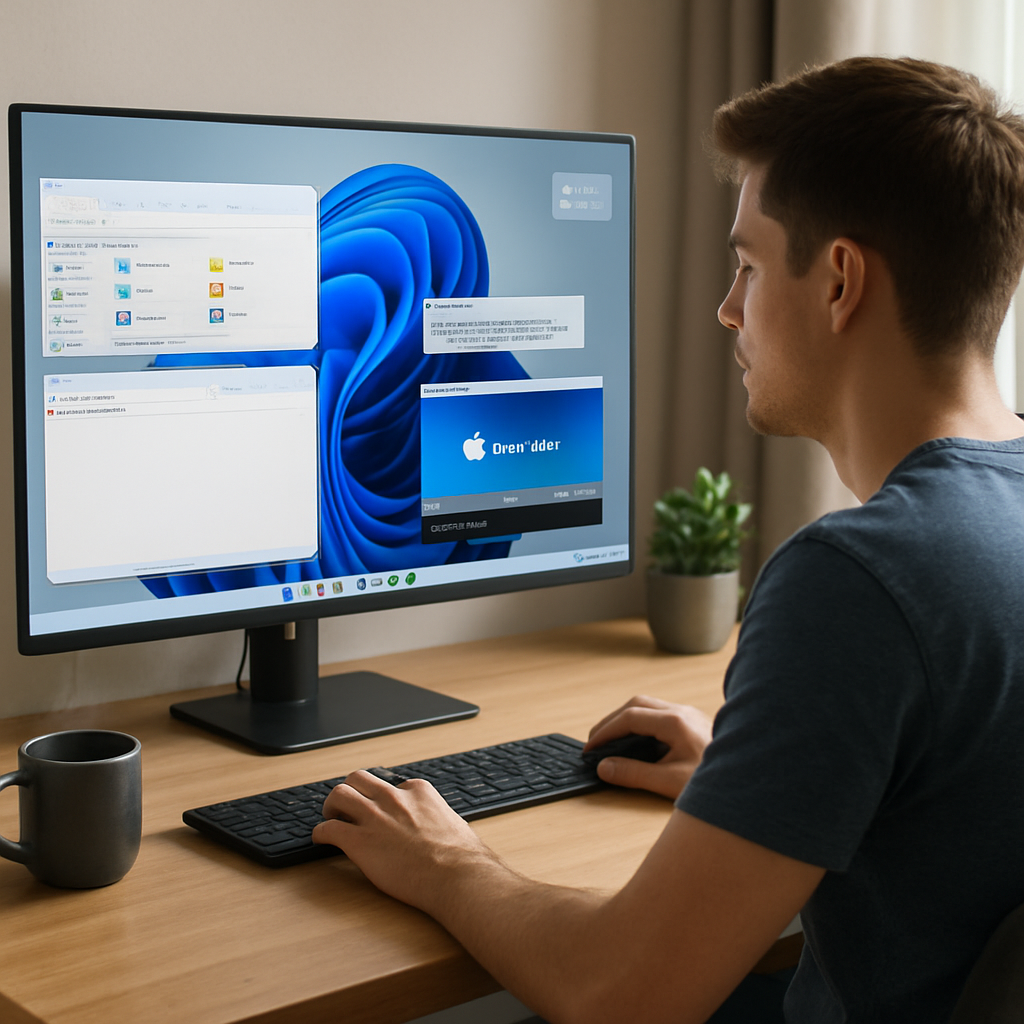
Are you ready to unlock faster performance, smarter navigation, and rock-solid security with windows tips & tricks? In this practical guide, you’ll discover proven techniques for Windows 11 and Windows 10 that beginners and power users alike can apply today. From quick keyboard shortcuts to deep system optimizations, this article blends practical advice with actionable steps to help you get more done in less time. Whether you’re working from home, managing a mixed-device environment, or just trying to make your PC feel new again, these strategies will make Windows work for you, not the other way around. As you read, you’ll discover how to reduce clutter, speed up tasks, and protect your privacy with simple, repeatable habits that stick.
Quick Wins: Essential Windows Tips & Tricks for Beginners
Starting with the basics pays off fast. In this section, you’ll learn the fastest ways to navigate Windows 11 and Windows 10 and lay a solid foundation for more advanced tweaks. Think of these as the everyday levers you can pull to shave seconds from routine tasks and reduce frustration with the operating system. Watching these small gains compound over weeks makes a noticeable difference in your daily workflow.
First, streamline your workspace by mastering window snapping and task view. Snap Layouts help you arrange multiple apps on the screen with a few keystrokes, while Task View makes it easy to switch between open projects without losing your place. These techniques are among the best windows tips and tricks for boosting multitasking, especially when you juggle documents, browsers, and communication apps at once.
Next, tune startup performance by limiting startup programs and managing services. A lean boot sequence reduces disk I/O and speeds up the time to usable desktop. This simple optimization is a cornerstone of reliable performance and a frequent recommendation in windows tips and tricks guides for 2026.
Boost Productivity with Keyboard Shortcuts and Windows Shortcuts
Keyboard shortcuts are the fastest path to productivity, and mastering them is a foundational windows tips and tricks habit. By replacing mouse-heavy routines with keystroke sequences, you can accelerate everything from file management to virtual desktops. If you’re new to shortcuts, start with the essentials and layer in more complex combos over time.
Power users often combine shortcuts with subtle UI tweaks to create personalized workflows. For example, learning how to quickly open File Explorer, search the system, or switch focus between tasks can markedly shorten daily cycles. In addition to classic shortcuts, explore Windows 11 and Windows 10 variants, because each edition sometimes plays a little differently with certain key combos.
On the topic of efficiency, consider establishing a quick-access system that anchors your most-used apps to the taskbar or Start menu. This is a core piece of best practices in windows tips and tricks that reduces the friction of repetitive launches and keeps you in the flow longer.
Customization and Personalization: Make Windows Fit Your Style
Customization is not vanity; it’s productivity architecture. When you tailor appearance, sounds, and behavior to your preferences, you reduce cognitive load and improve recall for important actions. This aligns with the broader idea of windows tips and tricks that help you work in a way that resonates with your daily routines.
Begin with themes and color accents that improve contrast and readability. Tweak system fonts and scaling to ensure text is crisp at your preferred viewing distance. Then dive into personalized Start layouts, pinned folders, and quick actions that mirror how you work. The payoff is a smoother, faster experience that minimizes wasted motion.
As you adopt these personalization adjustments, keep accessibility in mind. High-contrast themes, larger text, and simplified navigation can benefit many users and also align with pragmatic windows tips and tricks for long-term accessibility.
Security and Privacy: Windows Tips & Tricks for Peace of Mind
Security is a recurring theme in windows tips and tricks, but practical steps beat alarmist advice. Start with the basics: enable a trusted antivirus, keep Windows Update automatic, and configure a strong sign-in method. These fundamentals reduce exposure to common threats while preserving a clean, responsive system.
Next, embrace privacy controls by reviewing app permissions and telemetry settings. A lean privacy posture not only protects sensitive data but also streamlines the user experience by preventing unnecessary data sharing prompts. You’ll find these options across Windows settings, and applying them is a straightforward extension of your broader productivity routine.
Finally, explore built-in recovery options, such as system restore points and fresh start/repair features. Preparedness matters; these options provide a safety net that keeps your workflow intact after updates or misconfigurations. This is a practical pillar of modern windows tips and tricks.
File Explorer and Desktop Mastery: Managing Windows with Confidence
File Explorer is the workhorse of Windows. A solid grasp of its tricks—like fast search, advanced file operations, and efficient navigation—translates into tangible time savings. This section highlights practical techniques you can apply today to keep documents, media, and projects well organized.
Learn to use Quick Access effectively by pinning true favorites and removing stale items. Folder customization, such as naming conventions and consistent metadata, also simplifies long-term organization. In addition, take advantage of hidden features like the preview pane and file grouping to speed up decision-making without opening each item.
Desktop hygiene matters too: grouping related widgets, cleaning clutter, and keeping a minimal wallpaper can reduce cognitive load and improve focus. These are subtle windows tips and tricks that compound into a calmer, more productive work area.
Power Users: Advanced Windows Tips & Tricks for 2026
For those who want to push Windows beyond the default experience, this section covers advanced techniques that seasoned users routinely adopt. From command-line efficiency to system-level tweaks, these tips unlock deeper control over the OS while staying within safe boundaries.
Command Prompt, PowerShell, and Windows Terminal are your gateways to automation. Scripted tasks save time on repetitive actions, enforce consistency, and reduce human error. Start with simple scripts that rename batches of files, manage services, or automate backups, then scale up as you gain confidence.
When you need more power, consider Windows Subsystem for Linux (WSL) for development workflows that benefit from a real Linux environment inside Windows. This cross-platform capability is a standout entry in any modern windows tips and tricks catalog, enabling you to run native Linux tools side-by-side with Windows apps.
Advanced Tips: Regedit, Task Scheduling, and System Monitoring
For power users, a cautious dive into the registry editor (regedit) can unlock niche optimizations, but always back up before making changes. Scheduling tasks with Task Scheduler lets you automate maintenance, updates, and cleanup routines without manual intervention. Finally, light system monitoring—watching CPU, memory, and disk usage—helps you identify bottlenecks before they become disruptive.
Windows 11 vs Windows 10: What’s New in 2026
Windows 11 introduced a refreshed UI, improved window management, and tighter integration with Microsoft services. By 2026, Windows 10 users may still rely on familiar workflows, but cross-version tips help you migrate confidently between editions. The core principles—speed, simplicity, and security—remain the same, though some features appear in different places or require newer hardware.
Key areas to compare include start menu layout, snap layouts, virtual desktops, and Microsoft Store app experiences. In practice, adopting the best of both platforms means staying on top of updates, using modern shortcuts, and applying the same productivity mindset across versions. This ongoing evolution is central to any comprehensive windows tips and tricks plan.
Resources to Grow: PDFs, Books, and Community Guides
As you deepen your knowledge, having reliable reference materials is invaluable. Look for Windows 11 tips and tricks pdf resources, official Microsoft guidance, and reputable community-created playbooks. If you encounter PDFs or compact guides, treat them as supplements to hands-on practice rather than sole sources of truth.
Reddit communities and official support channels can be surprisingly helpful when you need context for a specific build or feature. The best windows tips and tricks come from a mix of official documentation, practical experiments, and user-tested workflows. Remember to compare notes across sources to build a robust, personalized approach.
Practical Workflows: Turn Knowledge into Action
With the fundamentals in place, you’re ready to craft daily workflows that maximize productivity. Start by defining a short list of high-impact tasks you want to optimize, then map each task to a handful of targeted tips—keyboard shortcuts, window layouts, and quick actions. As you implement these steps, you’ll notice fewer interruptions and more consistent progress across projects.
To reinforce these habits, set a regular review cadence. Revisit your startup programs, privacy settings, and backup plans every month or after major Windows updates. This disciplined approach turns windows tips and tricks into enduring improvements rather than one-off experiments.
Easy Next Steps: Turning Tips into Daily Practice
Begin with a 15-minute weekly optimization ritual. Audit startup items, refresh your Quick Access toolbar, and test at least one new shortcut or feature. If you encounter a friction point, search for a targeted tip or a short how-to video, then implement the change and monitor the impact.
Finally, keep a small notebook of proven tricks and a quick-reference checklist for common tasks. This tangible artifact helps you stay consistent and makes onboarding teammates or colleagues easier. In time, your Windows environment will feel faster, more reliable, and easier to navigate—precisely the outcome that makes windows tips and tricks worth practicing every day.
By adopting these strategies, you’ll build a practical, repeatable system for Windows that scales with updates and new hardware. Whether you’re upgrading from Windows 10, embracing Windows 11, or maintaining a mixed environment, the core idea remains the same: small, deliberate improvements lead to big productivity gains. Start with the steps you’re most comfortable with, then layer in more advanced tweaks as you grow confident. The result is a more capable, more enjoyable computing experience that you can rely on day after day.