
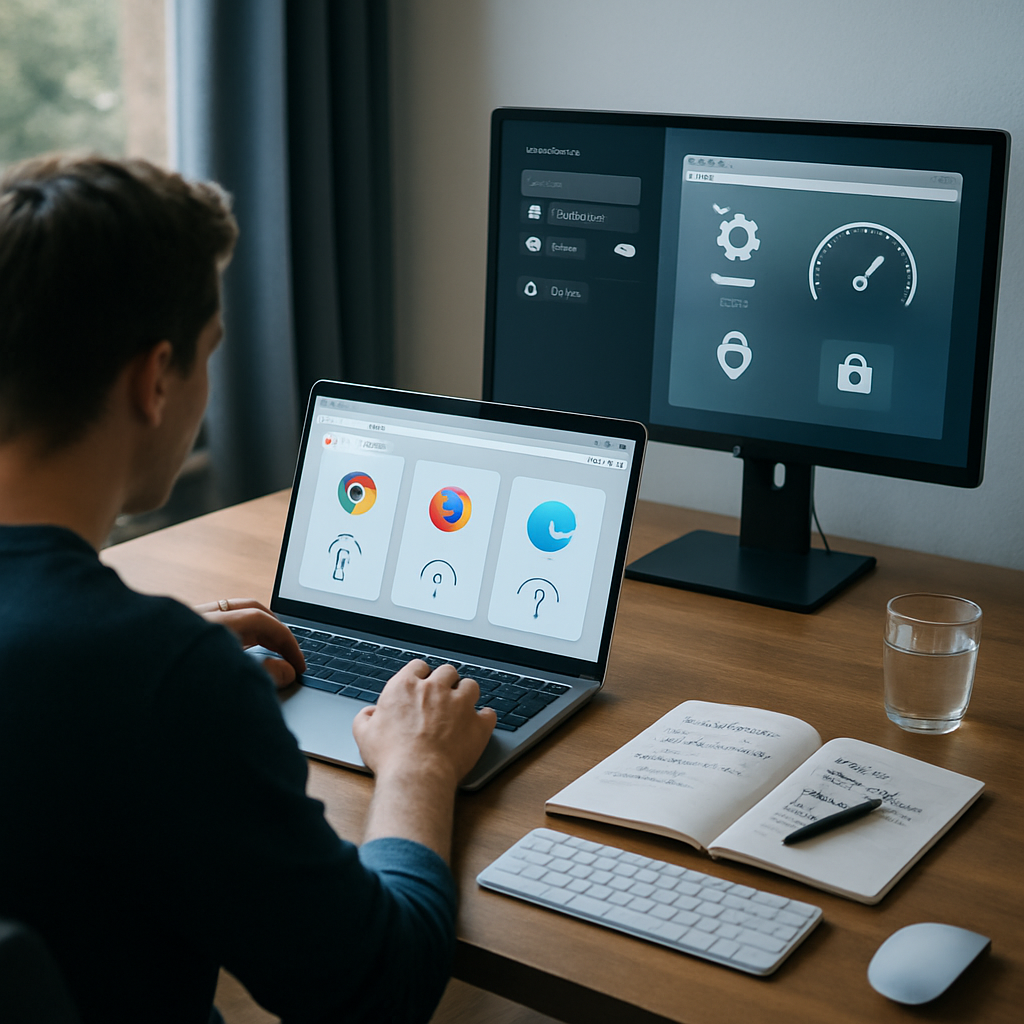
In a world where every click can reveal more about us, mastering internet tips and tricks is not a luxury — it is a daily necessity. From faster page loads to stronger privacy, practical know how helps you browse with confidence. This guide distills proven techniques that work across Chrome, Firefox and Edge, so you can stay productive without sacrificing security. Whether you are a casual browser or a beginner, you will find actionable steps to speed up your connection, protect your data, and navigate the web more efficiently.
Internet Tips and Tricks for Safer Browsing
Safe browsing starts with solid habits and smart configuration. Keep your software and browser up to date to close security gaps before they can be exploited. Use a password manager and enable two factor authentication for important accounts. These layers of protection turn a routine session into a shielded experience, making internet tips and tricks more effective in practice.
Privacy should be a default setting not an afterthought. PreferHTTPS whenever possible and consider enabling HTTPS only mode in your browser. Take control of cookies and trackers by limiting third party data and using anti tracking features. You can also review and adjust site permissions such as microphone and camera access to reduce exposure during online activity.
Speed and safety go hand in hand. Close unused tabs, limit resource hungry extensions, and schedule regular cache cleanups. A lean browser is less exposed to performance bottlenecks and fewer vectors for data leaks. Remember that privacy does not mean losing convenience; it means choosing smarter defaults and staying informed about what data you share while browsing.
Practical browsing hygiene matters. Do not click suspicious links, especially in email or messages. Use reputable security tools, and consider a virtual private network when you work on public networks. These habits reflect the core idea behind internet tips and tricks: small, consistent actions yield big returns over time.
Browser Tips and Tricks to Speed Up Your Browsing
Fast browsing is a mix of compact configurations and disciplined workflow. Start by cleaning up your browser data and fine tuning the settings that control loading behavior. Each tweak can shave precious seconds from page load times and keep your browsing experience smooth and productive.
Chrome specific tactics are particularly effective because of its mature feature set. Enable preloading for faster searching and browsing in Settings under Privacy and security. Turn on prediction services to speed up page loads while weighing privacy trade offs. Use hardware acceleration when available to offload tasks to the GPU and reduce CPU load on your device.
Another straightforward step is to manage your extensions. Disable or remove extensions that you rarely use or that heavily tax memory. A clean extension roster reduces memory footprint and helps pages render faster, especially on lower end devices. Regularly clearing cached data for sites you visit often can also improve responsiveness without sacrificing security.
Keyboard shortcuts save time and keep your focus. For example, opening a new tab with Ctrl plus T, reloading with Ctrl plus R, and reopening the last closed tab with Ctrl plus Shift plus T are universal across major browsers. Custom shortcuts for your most visited sites can cut down the number of clicks required to reach the information you want.
Firefox users can leverage strong privacy oriented features along with performance tweaks. Keep Enhanced Tracking Protection enabled and tailor its level to your comfort. Consider enabling lazy tabs and memory optimization options to reduce background resource use. Both Chrome and Firefox offer built in password managers that synchronize across devices, letting you sign in faster without compromising security.
Microsoft Edge presents efficient options such as sleeping tabs to reclaim resources on background pages and Collections to organize research without losing context. If you often switch devices, enable startup boost to shorten the time from power on to a ready desktop. Edge also integrates well with Windows security features, providing a cohesive experience that keeps performance high while protecting your workflows.
Internet Privacy Tips and Tricks
Privacy friendly browsing starts with a clear plan. Activate a strict tracking protection policy that blocks many trackers by default. Use private or incognito modes for sessions where you want history and cookies not to persist, but remember that this mode does not hide your activity from network providers or the sites you visit.
Ad and tracker blocking can dramatically reduce data exposure and improve page load times. Consider trusted privacy extensions that block trackers, force encrypted connections, or isolate trackers from your data. Always review extension permissions to ensure they do not overreach and compromise data safety.
Securing your connection is essential especially on public networks. A reliable VPN can mask your IP and encrypt traffic, adding a critical shield against interception. When possible, rely on a direct secure connection and avoid sharing sensitive information on untrusted networks. These measures align with best practices for internet privacy tips and tricks and help you browse with greater confidence.
Smart cookie management is a practical privacy tool. Regularly clear cookies from sites you no longer trust and limit long term data storage. Consider separate profiles for work and personal use to minimize cross domain tracking. By adopting these steps you create a safer environment without sacrificing everyday convenience.
Best Practices for Beginners: Quick Wins to Start Today
If you are new to the online space, begin with a minimal setup and gradually layer protections. Enable essential privacy features now and plan to expand as you become more comfortable. A good starting point is a password manager with two factor authentication for all critical accounts.
Create a habit of updating software on a regular cadence. Turn on automatic updates for your operating system and for your browser so you always have the latest security patches. Begin using a trusted privacy extension and learn a few core browser settings that impact both speed and safety.
Organize bookmarks and create a simple filing system to avoid unnecessary clicking. Keep a short list of trusted sites and use the browser search bar for quick navigation rather than visiting uncertain links. These simple actions lay a foundation for fast and safe daily browsing and keep you on course as you gain experience.
Hidden Features and Tricks You Should Know
Browsers hide a wealth of capabilities behind advanced menus and commands. Chrome users can explore hidden features via the browser in depth settings, including functions that optimize speed or security. Be selective and only enable features you understand, as some can affect privacy or stability.
Keyboard mastery is part of the hidden toolkit. Learn page navigation shortcuts, tab management tricks, and quick access to dev tools for diagnosing page performance. Firefox also includes robust developer tools and privacy centric options that can reveal how sites track you and how to block or mitigate it.
Edge users benefit from built in tools like vertical tabs and collections which streamline research workflows. Whenever you explore a new feature, test it on a non critical session to observe impact and return to a known baseline if necessary. This approach helps you uncover practical enhancements without compromising your daily browsing experience.
Maintaining a Fast and Secure Browser: Routines that Pay Off
Routine maintenance keeps your browser nimble and secure. Schedule periodic cache and cookies cleanup for sites you visit frequently. Review installed extensions and remove any that are outdated or unused. A lightweight, well organized browser naturally loads pages faster and reduces exposure to potential threats.
Privacy hygiene is a continuous practice. Regularly review privacy settings across all major browsers and adapt them to your evolving needs. For example, re evaluate tracking protections after major updates or new features. Pair these steps with a reliable password manager and a plan for secure device access to keep your digital life protected over time.
Network hygiene matters too. Use strong encryption, avoid public WiFi for sensitive tasks, and consider a trusted VPN when you must work on unsecured networks. These decisions reinforce the core message of this guide that fast, safe, and private browsing comes from deliberate, repeatable actions rather than one off tweaks.
As you apply these techniques, you will notice a smoother browsing experience with fewer distractions and greater control over your data. Start with small, concrete changes today and build toward a safer, faster, more private online presence that fits your everyday needs.