
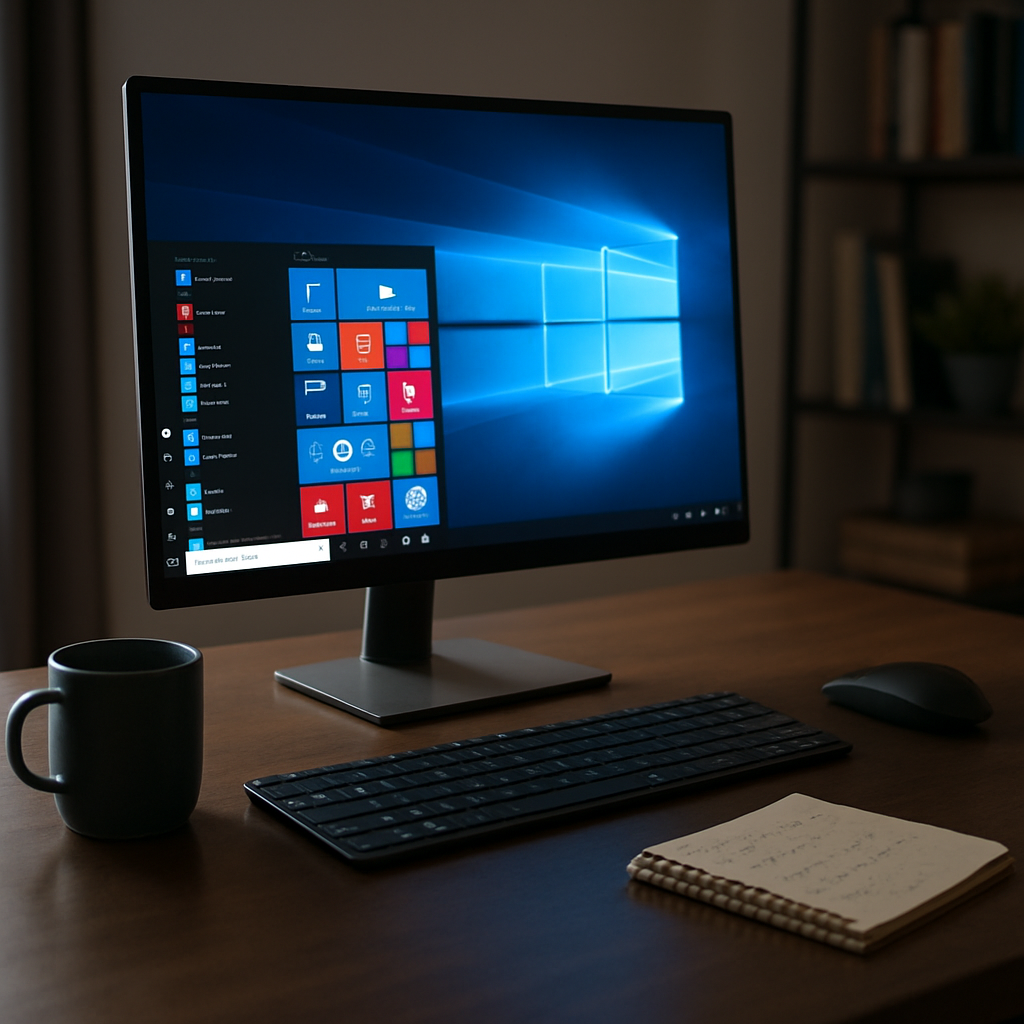
Whether you’re a casual user or a seasoned power user, mastering windows tips and tricks can unlock a faster, more secure, and more enjoyable computing experience. In 2026, the landscape of Windows has evolved with refined defaults, powerful automation options, and new accessibility features that turn everyday tasks into moments of effortless productivity. This guide helps you navigate Windows 11 and Windows 10 with fresh techniques, practical steps, and clear examples you can implement today.
Why Windows Tips & Tricks Matter in 2026
As Microsoft continues to blend cloud integration, AI-assisted features, and refined UI, small adjustments can have outsized effects. By adopting a handful of proven windows tips and tricks, you can save minutes daily, reduce repetitive tasks, and keep your system secure without software bloat. The goal is not to overwhelm you with hacks but to align the OS with your workflows and preferences.
From quick navigation to deeper automation, the right tips empower you to customize behavior, reclaim screen time, and extend hardware life. In this era of frequent updates, knowing where to adjust settings and how to streamline routines pays dividends in performance and focus.
Speed Up Windows: Performance Hacks for Windows 11 and Windows 10
Performance is a crowded term, but the right tweaks can shave seconds off daily tasks and reduce fatigue. Start with fundamental adjustments, then explore subtle optimizations that don’t compromise stability.
Optimize Startup and Background Apps
Disable unnecessary startup programs to cut boot times and free RAM. Open Task Manager, switch to the Startup tab, and disable apps you don’t need immediately. For frequent tasks, consider turning on delayed startup for heavy tools to stagger their load without slowing essential processes.
In Windows 11, you can also review background apps under Settings > Privacy & security > Background apps. Limiting activity for rarely used apps can boost foreground responsiveness while preserving functionality you rely on.
Storage Hygiene and Disk Health
Regularly cleaning up space can noticeably improve overall system responsiveness. Use Storage Sense, available under Settings > System > Storage, to automatically free up space by removing temporary files and old items. A quick run of Disk Cleanup and deleting large, unused files also helps regain speed and breathing room for the OS.
Move large media libraries to secondary drives when possible, and keep your system drive lean to reduce file indexing overhead. If you use external drives, safely eject them to prevent cache corruption and slowdowns during re-plug-ins.
Power Management and Sleep Settings
Smart power settings prevent performance penalties when the system is idle. Adjust Sleep and Hibernate modes to balance energy use and uptime, particularly on laptops. For desktops, ensuring the display turns off at a reasonable interval reduces wear on components and improves perceived speed when you wake the machine.
Consider enabling Fast Startup on Windows 10/11 if your hardware benefits from quicker resumes, while knowing that it may affect dual-boot scenarios. Test both enabled and disabled states to see what suits your setup best.
Productivity Boost: Keyboard Shortcuts, Windows Terminal, and More
Productivity in Windows hinges on quick access to tools and the ability to automate repetitive tasks. Keyboard mastery, streamlined terminals, and lightweight automation unlock significant gains without extra software.
Essential Shortcuts Everyone Should Know
Master a core set of shortcuts to navigate faster: Windows key + D to show desktop, Windows key + L to lock the PC, Windows key + E to open File Explorer, and Windows + I to open Settings. Combine Alt + Tab for quick window switching, and Ctrl + Shift + Esc for direct Task Manager access. These basics create a solid foundation for more advanced workflows.
Turbocharge with Windows Terminal and PowerToys
Windows Terminal provides a modern, tabbed environment for command-line tasks, scripting, and development work. Learn to customize profiles, use shells like PowerShell and WSL, and leverage split panes for multitasking. PowerToys offers a suite of utilities such as FancyZones for window snapping, Shortcut Guide for keyboard awareness, and File Explorer Add-ons to speed file operations.
Integrate PowerShell scripts into your routine to automate daily tasks. For example, a simple script can back up important folders, tidy temporary files, or update software lists with one click. Small automation wins accumulate into a noticeably smoother day.
Security, Privacy, and Safe Computing
Security is not a one-off setup; it’s an ongoing discipline. The right Windows tips help you stay protected without turning the PC into a fortress of friction. Start with a strong foundation and progressively tighten protections as you grow more comfortable.
Smart Security Practices
Keep your OS and apps up to date through Windows Update. Enable you to install security patches promptly while maintaining system stability. Use a reputable antivirus or Windows Defender as a baseline, then customize firewall rules to balance openness and defense for your network activities.
Use a local account or Microsoft account wisely. A linked account enables cloud-based features, but local accounts can improve privacy in some scenarios. Enable BitLocker on supported devices to protect data at rest, especially on portable machines.
Privacy Controls and Tips
Review privacy defaults in Settings > Privacy & security to limit telemetry and data collection. Disable unnecessary ad personalization and location tracking where it’s not essential. Regularly audit app permissions to ensure only trusted apps have access to sensitive information like camera, microphone, and location.
For a lighter footprint, consider using a clean boot to isolate software conflicts that could expose attack surfaces. A careful, incremental approach helps you maintain security without sacrificing usability.
Customization, Accessibility, and Personalization
Windows shines when you tailor it to your preferences. The right tweaks can reduce cognitive load, improve readability, and make the OS feel truly yours.
Theming, Taskbar, and Focus
Explore themes, accent colors, and dark mode to reduce eye strain and create a more cohesive visual experience. Customize the taskbar alignment, hide unused icons, and pin the apps you use most for faster access. Focus Assist can silence non-essential interruptions during deep work periods, improving concentration and efficiency.
Accessibility Features That Change the Game
Windows offers a robust set of accessibility tools, from narrator options to high-contrast themes. Magnifier, text size controls, and color filters help accommodate diverse visual needs. Voice typing and live captions expand how you interact with the system, turning voice input into reliable productivity gains.
Tips for Beginners in Windows 11 and Windows 10
New to Windows? A structured onboarding approach helps you avoid overwhelm and build confidence quickly. Start with essential settings, then progressively adopt shortcuts and automations as you gain comfort.
First 24 Hours: Setup Checklist
Create a restore point, install essential apps, and run Windows Update. Customize notification settings to reduce noise, set up a simple backup routine, and organize your file structure with a clear folder system. A small, planned first day reduces chaos and paves the way for longer-term improvements.
Common Pitfalls and How to Avoid
Avoid overloading the system with too many startup programs, which can slow boot times. Keep drivers current but avoid unnecessary beta builds unless you rely on bleeding-edge hardware. Finally, back up before performing registry edits or major system tweaks to prevent accidental data loss.
Advanced Techniques for Power Users
For those who crave deeper control, Windows offers powerful tools and workflows that unlock sophisticated automation and customization. Tread carefully, and test changes in a controlled way to preserve stability.
Registry and System Tweaks: Use Cautiously
The registry can tweak behaviors beyond the Settings app, but incorrect edits can destabilize Windows. If you’re curious, start with well-documented tweaks from trusted sources, back up the registry, and proceed slowly. When in doubt, rely on supported settings through the UI first.
Deep Dive: WSL, Windows Terminal, and Automation
Windows Subsystem for Linux (WSL) opens a bridge to Linux tooling directly on Windows, expanding what you can automate and run locally. Combine WSL with Windows Terminal to build powerful, cross-platform scripts. Use task automation tools like Task Scheduler or Power Automate for routine tasks, from file organization to system maintenance.
What’s New in Windows 11 24H2, 25H2, and 2026 Updates
Each Windows feature update brings refinements that touch daily use. The 24H2 and 25H2 builds typically emphasize refinements in security, accessibility, and performance, plus user interface tweaks designed to be less disruptive and more intuitive. Even small changes can unlock meaningful gains in speed and satisfaction when you learn to leverage them.
New Features to Try
Look for improvements in focus modes, revamped widgets, and smarter search results that surface what you need faster. You may also notice enhancements to File Explorer, better clipboard history management, and updated PowerToys utilities that streamline window management and file operations. Experiment with these features to see which align with your workflow.
Where to Find Official Windows Tips & Resources
Microsoft’s official documentation remains a reliable hub for up-to-date guidance. Explore Windows support pages for step-by-step instructions, troubleshooting help, and system-specific recommendations. PDF guides and printable checklists can be especially handy for quick reference when you’re away from the device.
For those who prefer a structured curriculum, look for official PDFs or whitepapers like Windows 11 tips and tricks PDF or Windows 10 tips and tricks PDFs published by Microsoft or trusted tech publishers. These resources complement hands-on practice and help you track progress over time.
As you adopt these Windows tips and tricks, remember that small, consistent optimizations compound into real productivity gains. Start with a single change that fits your routine, measure the impact, and gradually layer in more techniques. The goal is a faster, calmer, and more capable PC experience that supports your priorities—from work to play to personal projects.