
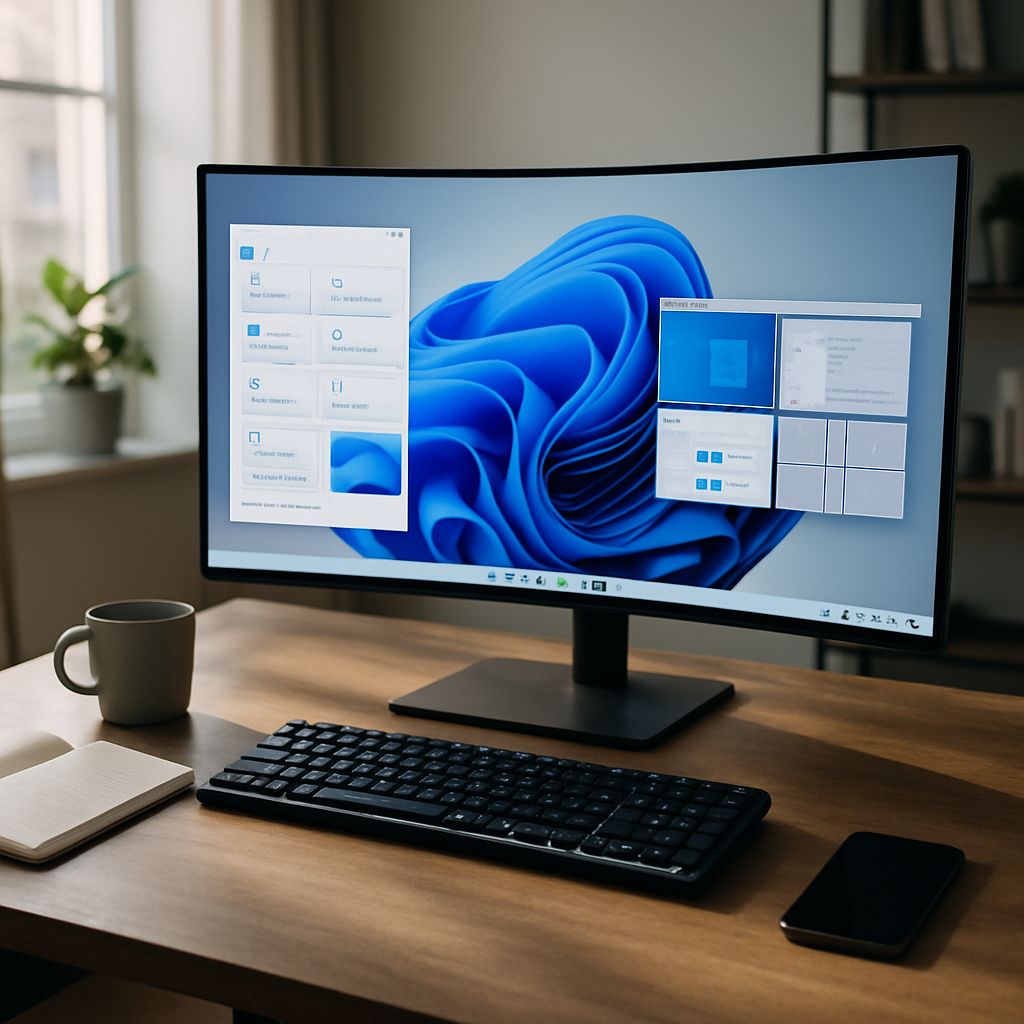
If you’re looking to master your PC, these windows tips & tricks can transform how you work, play, and stay secure. In 2026, Windows remains a dynamic platform, and small tweaks unlock big gains in speed, focus, and privacy. This guide cuts through the noise with practical steps you can implement today, whether you’re a casual user, a student, or a professional juggling multiple apps and projects.
Why Windows Tips & Tricks Matter in 2026
As Windows continues to evolve—especially with ongoing updates to Windows 11 and the continued compatibility with Windows 10—knowing a few well-chosen tips can save hours each week. The goal is not just to speed up your computer, but to make the experience more predictable, secure, and enjoyable. In this section we connect everyday workflows to broader benefits like reduced distraction, better organization, and smarter resource use.
To get the most from these windows tips and tricks, start with a clear plan: identify your most time-consuming tasks, choose a small set of tweaks, and monitor the impact over a 14-day period. You’ll soon discover that many tips scale across Windows versions, from Windows 10 to Windows 11, with only minor adjustments needed for each environment.
Getting Started: Quick Wins for Immediate Impact
If you’re short on time, begin with quick wins that require minimal configuration. These moves improve responsiveness, declutter, and make daily tasks more effortless. And because the guidance below covers both Windows tips and tricks for 2024/2026, you’ll find relevant ideas that work on Windows 10 as well as Windows 11.
First, audit startup programs. Reducing startup load can dramatically improve boot times and system responsiveness. Second, tailor your notification and focus settings so you’re not overwhelmed by tips and suggestions as you work. Finally, organize your desktop and File Explorer with consistent naming, pinned folders, and streamlined shortcuts to cut down on mouse travel and search time.
Keyboard Shortcuts That Save Time
Keyboard shortcuts are the backbone of efficient Windows tips & tricks. Mastering a handful of keystrokes rewards you with faster switching between apps, quicker searches, and easier multitasking. For example, Windows key + S accelerates search across apps and files, Windows key + X opens a compact power-user menu, and Alt + Tab lets you switch contexts without reaching for the mouse. Over time, these shortcuts become second nature and compound your productivity gains.
Additionally, learning task view and virtual desktops can help you separate work from personal tasks. Pressing Windows key + Tab reveals open windows and lets you create new desktops with a couple of clicks. This approach aligns with broader windows tips and tricks for better process management and focus, especially when you’re juggling multiple projects in Windows 11 or Windows 10.
Performance Tuning on Windows 10 and Windows 11
Performance optimization is a core pillar of Windows tips & tricks. Start by disabling nonessential startup apps and reducing visual effects like animations and transparency. In Windows 11, you can also turn on a performance-focused power plan and ensure hardware acceleration settings align with your hardware profile. These adjustments are low-risk, high-reward tweaks that make everyday use noticeably smoother.
As you adopt these changes, measure impact with simple benchmarks or by tracking boot time and app startup latency. If you notice no improvement or if certain apps require the full experience, you can revert to a previous configuration. The key is to iterate—test, measure, refine—and keep a short rollback checklist handy for safety.
Windows 11 Tips & Tricks: Features to Exploit in 2026
Windows 11 introduces features designed to streamline multitasking, collaboration, and connectivity. The following sections focus on practical ways to leverage these capabilities for faster workstreams, whether you’re on a PC, laptop, or a Windows tablet. If you want to keep pace with modern Windows experiences, these ideas are a reliable starting point.
Taskbar, Start Menu, and Snap Layouts
Customizing the Taskbar and Start Menu can shave minutes off routine days. Consider pinning your most-used apps, decluttering the Start menu, and leveraging focus-worthy layouts. Snap layouts and snap groups in Windows 11 help you organize multiple windows side by side with minimal effort, enabling a clean, efficient workspace for documents, browsers, and IDEs. In practice, a few well-placed snap layouts reduce scrolling and window hounding while you work on complex tasks.
Next, create and reuse desktops for different projects. For instance, one desktop could host your research, another your writing suite, and a third your communication tools. This separation reduces cognitive load and improves flow, which is a practical application of windows tips and tricks for daily productivity.
Powerful Tools: Windows Terminal, Notepad, and File Explorer Tips
Windows Terminal combines multiple shells (PowerShell, Command Prompt, WSL) in a modern interface that’s ideal for developers and IT pros. Learning a few shell tricks—such as piping, redirection, and quick scripts—can dramatically speed up repetitive tasks. If you’re not a developer, Windows Terminal is still a great way to run simple command-line tasks without leaving your desktop.
File Explorer remains a central hub for organizing data. Use quick access, pinned folders, and the built-in search filters to locate files faster. Understanding the advanced search syntax can turn a 30-second search into a five-second win, a small but meaningful improvement in day-to-day Windows tips and tricks.
Notifications, Focus, and Privacy
As you adopt Windows 11 tips and tricks, take minutes to adjust notification rules and Focus Assist, ensuring you’re not interrupted by system suggestions during work sprints. You can also manage privacy settings to reduce telemetry or tailor app access requests. These tweaks enhance your control over the experience and align with best practices for secure Windows use in 2026.
Security and Privacy: Safe Windows Tips & Tricks
Security and privacy are foundational to any suite of Windows tips and tricks. In this section, you’ll find practical actions that protect your data while preserving a smooth user experience. The goal is steady, incremental improvements that don’t require deep technical expertise.
Fundamental steps include enabling Windows Security features like Virus & threat protection, firewall controls, and device health monitoring. Regularly reviewing app permissions, managing account security (including multi-factor authentication), and keeping systems updated with the latest patches are essential components of a robust Windows environment. With these measures in place, you’re better prepared to handle new threats while keeping performance intact.
Disable Tips & Tricks and Advertising Across Windows
One of the common requests in windows tips and tricks discussions is how to minimize or turn off on-screen tips and suggestions. In Windows 11 and Windows 10, you can adjust feedback and tips settings to reduce distractions, particularly if you value a clean workspace. It’s also worth reviewing the notification center to limit promotional prompts and ensure a calmer desktop experience.
Continuing with practical steps, consider adjusting Focus Assist rules to silence non-critical alerts during work sessions or presentations. These prioritizations help you maintain attention on the task at hand and prevent occasional annoyances from interrupting your flow.
Productivity Boosters: Apps, Tips, and Shortcuts
Productivity is the heart of any windows tips and tricks guide. In addition to core OS features, third-party tools, lightweight apps, and well-chosen defaults can multiply your output with less effort. The following ideas blend everyday utility with practical demonstrations you can apply today.
Consider keeping a small toolkit of built-in utilities, such as Sticky Notes for quick ideas, Notepad for simple drafting, and File History or File Recovery options for data safety. Learning how to use File Explorer’s advanced search, the Quick Access toolbar, and batch-renaming capabilities makes routine file management faster and less error-prone. These are the kinds of Windows tips and tricks that pay off repeatedly over weeks and months.
Notepad, Sticky Notes, and Simple Data Management
Notepad remains a lean, reliable editor for quick edits or lightweight scripts. For more dynamic note-taking, Sticky Notes complements not just your to-dos but your brainstorming sessions. Pair these with a disciplined folder structure in File Explorer and you’ll reduce time spent hunting for documents and notes, a common friction point in busy days.
Moreover, consider integrating cloud storage and local backups to keep your files safe while maintaining fast access. These routines fit naturally into the broader set of windows tips and tricks designed to balance speed, reliability, and ease of use.
Advanced Windows Tips & Tricks: Deep Dives
For power users and curious learners, advanced topics like PowerShell automation, registry tweaks, and command-line productivity can yield impressive gains. Proceed with caution, and always back up before making substantial changes. The payoff is precise control and automation that scales with your needs.
PowerShell scripting can automate repetitive tasks, batch-process files, and manage user profiles. If you’re comfortable with scripting, you can create small workflows that save minutes daily. Meanwhile, registry tips and tricks offer powerful customization—best used by users who understand the risk and have a restore plan in place.
PowerShell and Command-Line Tricks
Exploring PowerShell commands like Get-ChildItem, Clear-Host, and Set-ExecutionPolicy can unlock batch operations and scheduling. Even basic scripts for routine maintenance, cleanup, or backup prompts can reduce daily workload. If you’re new to PowerShell, start with small, well-documented scripts and expand as you gain confidence.
On the Windows command line side, familiarizing yourself with common commands for file management, process inspection, and network troubleshooting adds a practical safety net for IT tasks and troubleshooting scenarios. These techniques are favorites in advanced windows tips and tricks discussions and are highly transferable to Windows 11 and Windows 10 environments alike.
Windows Tips & Tricks for Beginners: A Practical Start
Getting started with Windows tips and tricks doesn’t require a steep learning curve. This section focuses on accessible steps that help new users build confidence while laying a foundation for more advanced techniques later. Start with familiarizing yourself with the basics of the Start Menu, File Explorer, and system settings.
Next, practice a small, recurring routine: back up important files weekly, clean up temporary files monthly, and review privacy settings quarterly. As you grow more comfortable, expand to keyboard shortcuts, Snap layouts, and personal productivity flows. The key is steady progress, not overnight mastery, which aligns well with practical windows tips and tricks learning.
PDFs, Books, and Other Learning Resources
For learners who prefer offline references, many resources cover Windows tips and tricks in PDF format or as e-books. Look for well-structured guides that cover Windows 11 tips and tricks, Windows 10 tips and tricks, and cross-version comparisons. Integrating a monthly reading habit with hands-on practice accelerates retention and helps you convert theory into daily wins.
Whether you’re after a dedicated Windows 11 tips and tricks PDF or a broader guide, select resources that emphasize actionable steps, real-world examples, and clear warnings about risky registry changes. A practical handbook becomes a long-term companion in your journey toward faster, more confident computer use.
Turn Off or Disable Windows Tips & Tricks: Privacy Options
Power users often want granular control over tips, suggestions, and ads that appear while using Windows. In Windows 11 and Windows 10, you can tailor or disable these prompts to preserve a clean interface. The steps vary slightly by version, but the principle is the same: reduce interruptions while keeping access to helpful hints when you want them.
To implement these changes, navigate to system settings related to notifications, tips, and privacy, then adjust each toggle according to your preference. If you want to preserve some prompts for context-aware guidance, consider leaving the feature on but limit its frequency and scope. This is a practical balance that aligns with the broader philosophy of a less cluttered, more focused Windows experience in 2026.
Practical Scenarios: Real-World Use Cases
Let’s translate these tips into everyday workflows. Imagine a typical day with multiple tasks: researching a topic, drafting a document, and preparing a presentation. By using Snap layouts to arrange windows, Focus Assist during deep work, and keyboard shortcuts for quick navigation, you can reduce context switching and keep your attention anchored on the task. In this scenario, the Windows tips and tricks you apply feel almost invisible—yet they steadily boost your output.
Similarly, a student juggling notes, references, and deadlines benefits from File Explorer organization, Notepad/Notepad++ for quick drafting, and regular backups. By building a small routine around backups, file organization, and focused time blocks, you establish a reliable workflow that scales with exams, projects, and deadlines.
Wrapping Up: A Simple Roadmap to Faster, Safer Windows
The journey to mastering Windows tips & tricks is iterative and personal. Start with a handful of high-impact changes, monitor their effect over two weeks, and build a personal playbook that grows with your comfort level. Remember that Windows 11 tips and tricks evolve; staying curious and methodical ensures you keep pace with updates without becoming overwhelmed.
As you implement these ideas, keep a running list of what works, what needs refinement, and what you’d like to explore next—whether that’s deeper PowerShell automation, more advanced file management techniques, or broader optimization across your devices. The end result isn’t a single trick but a sustainable approach to using Windows that balances speed, security, and productivity for years to come.